

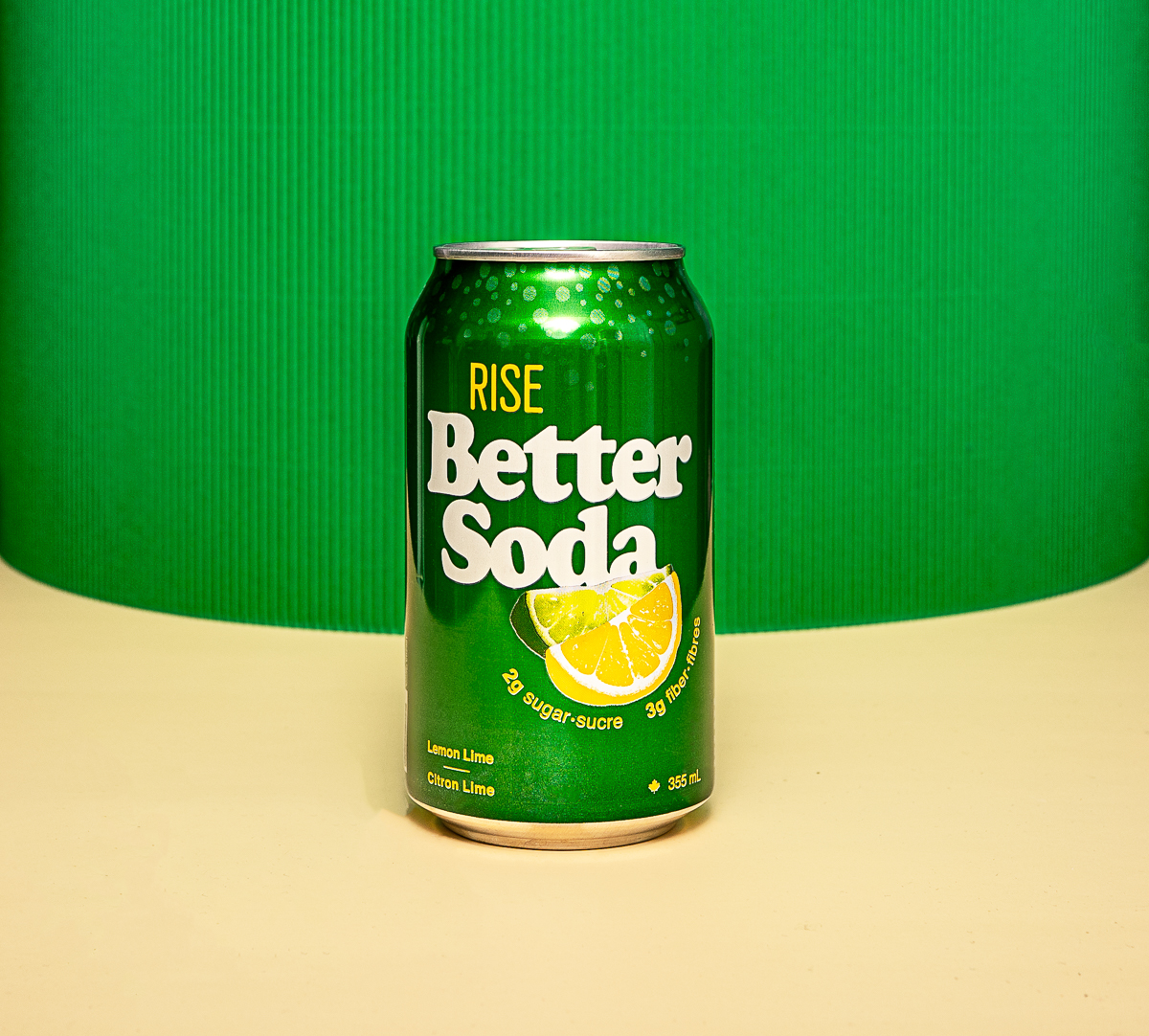
Product photography has become one of the most influential factors in determining the success of online businesses. In visually driven markets like Ottawa and Rockland—where customers rely heavily on digital browsing before making a purchase—the quality of product images can directly impact trust, engagement, and buying decisions. Whether selling handmade goods, retail items, beauty products, clothing, home décor, or specialty items, strong imagery gives customers a clear understanding of value and quality long before they check out.
Online shopping continues to grow across both cities, and small businesses, independent creators, service-based shops, and ecommerce stores are all depending on visuals to communicate their brand. This guide explores how impactful product photography is created, why it matters deeply for brands in Ottawa and Rockland, and what elements contribute to effective visual storytelling.
1. Why Product Photography Matters More Than Ever
Online customers can’t touch or test products. They rely entirely on visual information. This means product images act as the main bridge between curiosity and confidence. A clear, well-lit, intentional photo reassures customers of product quality, while a poorly presented image does the opposite.
For businesses in Ottawa and Rockland—where many consumers are shopping online first—product photography:
- Builds trust
- Enhances brand credibility
- Communicates value quickly
- Reduces confusion and product returns
- Improves click-through rates
- Increases conversions
Every product image serves as a salesperson, communicating what words alone cannot.
2. Understanding Your Brand Before Shooting
Before photographing anything, understanding the brand identity is essential. Product images should reflect the personality of the business and the emotions the brand aims to evoke.
Questions that guide brand-focused imagery:
- Is the brand modern, minimal, creative, rustic, luxurious, or playful?
- What colors define the brand?
- What feelings should customers experience (warmth, confidence, excitement, calm)?
- Who is the target audience?
- What lifestyle does the product support?
In Ottawa, many brands lean toward clean, polished, minimal aesthetics that reflect professionalism.
In Rockland, many businesses value warmth, local charm, and cozy, community-rooted visuals.
Strong photography matches the tone of the brand seamlessly.
3. Choosing the Right Lighting for Impact
Lighting is one of the biggest factors that determine the quality of product photos. It shapes mood, highlights texture, enhances color accuracy, and strengthens clarity.
Natural Light
Perfect for lifestyle products, beauty items, accessories, and organic brands. Ottawa and Rockland both experience strong seasonal daylight that can add warmth and realism.
Studio Light
Ideal for clean, controlled product shots—especially for ecommerce listings, packaged goods, jewelry, or detailed items.
A combination of both can help showcase products in different environments—for example, clean studio shots for listings and natural lifestyle shots for social media.
4. Background Selection and Its Impact on the Product
Different backgrounds communicate different moods. The key is selecting backgrounds that enhance the product without distracting from it.
Common options include:
- Clean white backgrounds for clarity and simplicity
- Soft colored backgrounds for mood or seasonal themes
- Textured surfaces (wood, stone, linen) to create depth
- Branded environments for lifestyle storytelling
Ottawa’s modern, minimal aesthetics pair well with clean backgrounds.
Rockland’s cozy, community-oriented businesses often benefit from textured, warm-toned environments.
The goal is to let the product remain the hero.
5. Composition Techniques for Strong Visual Appeal
How a product is placed in the frame influences how customers perceive quality. Professional composition balances clarity, visual interest, and storytelling.
Effective composition methods include:
- Rule of thirds
- Centered minimalism
- Creative angles
- Symmetry
- Close-up detail shots
- Grouping related products
- Negative space for graphic design use
These techniques create images that feel intentional and aesthetically pleasing.
6. Showcasing Products From Every Angle
Online customers need to see everything before feeling confident enough to purchase. Multiple angles allow them to evaluate shape, size, texture, and craftsmanship.
Effective product galleries often include:
- Front view
- Side view
- 45-degree angle
- Top-down
- Close-up macro details
- Packaging shots
- Lifestyle or in-use images
A well-rounded gallery builds trust by eliminating uncertainty.
7. Highlighting Texture, Material, and Quality
Clear, detailed photos show customers exactly what they’re buying. This is especially important for:
- Clothing
- Leather goods
- Jewelry
- Skincare and beauty
- Handmade crafts
- Home décor
- Food products
Lighting, angles, and macro lenses reveal the fine details—helping customers appreciate craftsmanship.
Ottawa shoppers often evaluate quality through detail.
Rockland customers value authenticity, making close-up shots an essential trust-building element.
8. Using Props to Support—Not Distract From—the Product
Props help create context and mood, but too many props can overwhelm the product. The right props complement the brand and add storytelling without taking attention away.
Helpful prop examples:
- Fresh ingredients for food and wellness items
- Seasonal elements for holiday themes
- Fabric textures for clothing or accessories
- Neutral objects (books, plants, ceramics) for lifestyle brands
- Tools or materials used in creating the product
Props should highlight the product’s purpose, not overshadow it.
9. Lifestyle Photography for Stronger Storytelling
Lifestyle imagery helps customers imagine the product in their own life. It shows how the product is used, worn, or enjoyed.
Examples:
- A candle glowing on a cozy table
- Jewelry worn in natural movement
- A skincare product on a bathroom counter
- Clothing worn by real people
- Food products enjoyed in day-to-day moments
Lifestyle photography is especially powerful in Rockland’s community-driven environment and Ottawa’s social and corporate markets.
10. Editing for Consistency and Brand Identity
Editing ties all product images together. Consistent editing helps the brand look cohesive across:
- Websites
- Social feeds
- Ads
- Packaging
- Print marketing
- Email newsletters
Core editing elements include:
- Color accuracy
- Balanced contrast
- Clean highlights and shadows
- Sharpness
- Removal of dust or imperfections
- Cropping and alignment
Edits should enhance realism, not distort it. Neutral editing works well for ecommerce stores, while stylized editing adds personality for lifestyle brands.
11. Creating a Cohesive Product Catalog
A product catalog must feel unified. Images of different products shouldn’t look unrelated.
Cohesion includes:
- Matching backgrounds
- Consistent angles
- Similar lighting
- Aligned cropping
- Uniform color grading
This helps online stores appear more polished and professional, increasing trust.
12. Building a Strategy for Ecommerce Platforms
Different platforms require different types of product images.
For standalone websites:
Large galleries, detail shots, and lifestyle images work well.
For marketplaces:
Clean white-background studio images provide consistency.
For social media:
Lifestyle imagery, flat lays, and creative angles excel.
Ottawa businesses often balance website-friendly minimalism with social-focused lifestyle shots.
Rockland businesses integrate warm, inviting images suited for community engagement.
13. Communicating Scale and Size Clearly
One of the biggest challenges in online shopping is understanding size. Including objects for scale or using models helps customers understand proportion.
For example:
- Jewelry shown on a hand
- Bags shown over the shoulder
- Food items beside familiar objects
- Home décor shown in a room
Clarity reduces returns and increases confidence.
14. Packaging Photography as a Branding Tool
Packaging is part of the customer experience. Showing packaging helps buyers understand what they will receive.
Elements to photograph:
- Boxes
- Labels
- Gift wrapping
- Materials
- Branding elements
This is especially relevant for artisan products popular in Rockland and luxury items often found in Ottawa.
15. Optimizing Product Images for Website Speed and SEO
Large image files slow down websites. Optimizing images allows faster loading without losing quality.
SEO benefits from:
- Alt text descriptions
- Compressed files
- Correct resolution for web
- Consistent naming conventions
This helps Ottawa and Rockland businesses rank better locally.
16. Creating Emotional Connection Through Imagery
Products often sell because of emotions, not just features.
Strong product photography can communicate:
- Comfort
- Luxury
- Simplicity
- Convenience
- Confidence
- Personality
Local businesses thrive when customers feel connected, making emotional photography a powerful tool for both regions.
17. Seasonal and Themed Product Photography
Products often perform better when showcased in seasonal or themed environments.
Examples:
- Autumn colors for fall promotions
- Winter coziness for holiday sales
- Fresh, bright looks for spring
- Outdoor lifestyle shots for summer
These styles align well with Ottawa’s seasonal changes and Rockland’s strong community celebrations.
18. Building Long-Term Visual Identity for Your Store
A long-term photography strategy creates consistency and brand memory.
This includes:
- Quarterly product updates
- Seasonal photoshoots
- Batch content creation
- Unique style guidelines
- A recognizable aesthetic
Over time, customers begin to identify the brand through its photography alone.
Conclusion
Product photography is more than creating attractive pictures—it is the foundation of an online store’s trust, identity, and success. For businesses throughout Ottawa and Rockland, strong product visuals shape customer perception and directly influence sales. High-quality photography helps customers understand your brand, your craftsmanship, and your commitment to excellence.
From clean studio images to rich lifestyle storytelling, impactful product photography tells the story customers need to see before they buy. When visuals are consistent, intentional, and brand-focused, they elevate online presence, strengthen customer confidence, and create a shopping experience that feels professional and trustworthy.

