

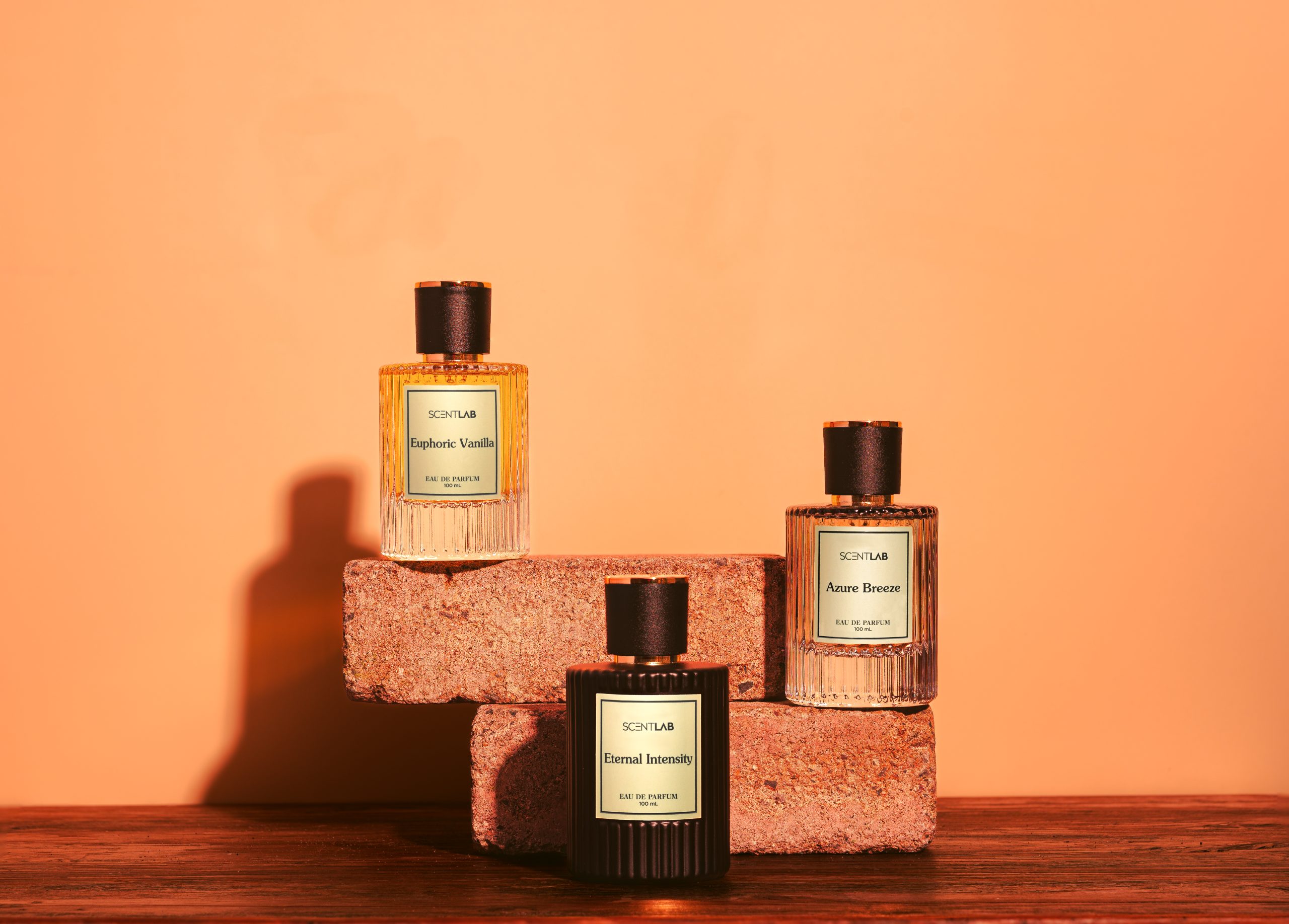
Authenticity has become one of the most valuable qualities in modern branding. Businesses in Ottawa and Montreal, whether emerging startups, established companies, local shops, or creative professionals, all require visuals that reflect who they truly are. In cities where diversity, innovation, culture, and local identity play major roles in shaping customer expectations, authentic brand imagery helps build trust, connection, and recognition.
This guide explores the key principles and practices involved in capturing brand images that feel genuine, meaningful, and aligned with the identity of businesses throughout Ottawa and Montreal.
1. Understanding Brand Identity Before Shooting
Authentic branding begins long before the camera is picked up. It starts with understanding what the brand represents. Photographers must consider the following elements:
- Personality
- Mission and values
- Tone and communication style
- Target audience
- Market position
- Story and background
Ottawa businesses often carry a tone of professionalism, government influence, and community-focused values. Montreal brands may lean towards artistic, bold, multicultural, and innovative identities. Understanding these differences allows a photoshoot to reflect the tone that resonates most with each city’s audience.
2. Choosing Locations That Support the Brand Story
Location is an essential part of brand authenticity. Both Ottawa and Montreal offer diverse environments that can help express a company’s identity.
In Ottawa:
- Modern downtown architecture
- Parliament Hill and surrounding districts
- Contemporary office buildings
- Nature spots such as the Rideau Canal or Gatineau Park
- Suburban neighborhoods for family-focused brands
In Montreal:
- Historic Old Montreal
- Creative districts like Mile End
- Urban street backdrops
- Industrial loft-style spaces
- Bright cafés and cultural neighborhoods
The chosen location should complement the brand’s tone. A tech company in Ottawa may prefer clean, modern settings, while an artist in Montreal might lean toward textured, creative spaces.
3. Using Natural Interaction to Capture Real Emotion
Authentic brand images require more than posed photos. The goal is to capture real expression, genuine connection, and natural movement.
Some effective techniques include:
- Encouraging natural conversation
- Asking clients to demonstrate what they do
- Capturing hands, tools, and small details
- Photographing candid in-between moments
- Allowing natural gestures and expressions
Ottawa’s business environment often values professionalism mixed with approachability. Montreal’s creative culture encourages expression and individuality. Authentic imagery reflects these traits naturally without forced posing.
4. Incorporating Real Work Environments
A brand’s environment—whether a café, studio, office, workshop, or storefront—provides context and story. Photographing people within their real workspace brings authenticity to the imagery.
Examples include:
- A chef preparing dishes in a Montreal kitchen
- A consultant working with clients in an Ottawa office
- A creator crafting products in a home studio
- A fitness coach training in their local gym
- A boutique owner arranging items in their shop
Real environments show professionalism and transparency. Customers in both Ottawa and Montreal respond positively to seeing how work is done behind the scenes.
5. Capturing Team Dynamics and Human Connection
For many brands, authenticity is built around the people behind the business. Team photos, interactions, and shared moments strengthen brand credibility.
Elements that support authentic storytelling:
- Team meetings
- Collaborative work
- Daily routines
- Workspace conversations
- Laughing or unscripted moments
Montreal’s multicultural business environment values inclusive, energetic team representation. Ottawa prioritizes professionalism with a relatable human touch.
6. Focusing on Details That Represent the Brand
Small details communicate big messages. Capturing close-ups of hands at work, tools, workspace textures, and brand elements creates depth and richness in a visual story.
Examples:
- A barista steaming milk in a Montreal café
- A designer sketching concepts in an Ottawa studio
- A florist arranging bouquets
- A carpenter shaping wood
- A wellness practitioner preparing their tools
These details show care, craftsmanship, and character—core aspects of authenticity.
7. Using Natural Light to Enhance Realism
Lighting heavily influences mood and authenticity. Natural, soft light often feels more genuine than heavily staged studio lighting.
Why natural light works well:
- Maintains realism
- Highlights true colors
- Avoids artificial over-polish
- Creates an inviting aesthetic
Ottawa’s bright seasons and Montreal’s artistic neighborhoods both offer excellent natural light opportunities.
When artificial light is needed, it should support—not overpower—the natural feel.
8. Encouraging True-to-Life Posing
Authentic posing is not stiff or overly directed. Instead, it blends minor guidance with natural instinct.
Approaches include:
- Minimal-direction posing
- Encouraging movement (walking, working, interacting)
- Allowing natural posture
- Asking clients to focus on an activity vs. the camera
Authenticity grows when people feel comfortable and unforced.
9. Showcasing Cultural and Regional Identity
Ottawa and Montreal each carry distinct cultural energy. Capturing imagery that reflects this regional character strengthens authenticity, especially for local businesses.
In Ottawa:
- Canal paths
- Clean government architecture
- Bilingual signage
- Modern urban simplicity
In Montreal:
- Art murals
- Stone streets of Old Montreal
- Fashion-forward style
- Multilingual environments
Incorporating these elements helps viewers instantly recognize place, community, and identity.
10. Highlighting Real Customers and Real Interactions
Authenticity increases when images show real customers interacting with the brand’s products or services. This approach provides credibility and shows the business in true action.
For Ottawa businesses, authenticity might focus on professional service interactions.
For Montreal businesses, visuals may highlight lifestyle, culture, or creativity.
11. Color Grading That Supports Identity
Editing plays a significant role in defining the tone of a brand. Authentic editing avoids overly heavy filters or artificial enhancements. Instead, it aligns with the brand’s natural aesthetic:
- Warm, cozy tones for cafés
- Clean, bright tones for professional services
- Bold, artistic tones for creative industries
- Soft, natural tones for wellness brands
Consistency in editing ensures the images feel cohesive and intentional.
12. Telling a Cohesive Story Across Multiple Images
Authentic branding often requires a full gallery, not just a single image. A well-built series helps guide the viewer through a narrative.
A cohesive brand image set includes:
- Portraits
- Lifestyle images
- Detail shots
- Environment images
- Action shots
- Behind-the-scenes moments
Together, these images form a complete picture of the brand, helping customers understand personality, values, and offerings in a natural way.
13. Making Space for Imperfection
Authenticity thrives when small imperfections are allowed to remain—slightly messy workspaces, natural expressions, or environmental variability. These realistic elements make the brand relatable.
This is especially useful in Montreal’s artistic scene, where personality and uniqueness are valued.
In Ottawa, subtle imperfection adds warmth and humanity to polished businesses.
14. Emphasizing Human Presence Over Perfection
Customers connect more deeply with people than with objects. Authentic brand photography prioritizes human presence in a way that feels lived-in, not staged.
This includes:
- Warm expressions
- Eye contact
- Natural reactions
- Real working moments
These elements help customers connect emotionally with the brand.
15. Maintaining Consistency Across Platforms
Images must maintain authenticity across all:
- Social media
- Websites
- Print materials
- Email campaigns
- Digital ads
- Press features
Consistency builds recognition and trust. A customer who sees a brand on Instagram expects the website to reflect the same tone and style.
Ottawa and Montreal businesses strengthen local loyalty through visual consistency.
16. Storytelling for Different Industries
Authentic photography looks different depending on the industry:
- Restaurants and cafés: atmosphere, food, staff interactions
- Retail shops: textures, layout, products, customers browsing
- Professional services: workspace, tools, people collaborating
- Wellness: peaceful environments, hands-on service moments
- Creative industries: personality, tools, behind-the-scenes
Adapting storytelling to each industry ensures the imagery remains relevant and true.
17. Celebrating Diversity
Both Ottawa and Montreal are diverse in culture, language, and lifestyle. Authentic brand imagery embraces this diversity naturally, using representation to build trust with a broader audience.
Real diversity strengthens inclusivity and customer connection.
18. Honoring the Unique Brand Journey
Every brand has a journey—origin, challenges, growth, values—and photography is one of the most powerful ways to express that journey visually.
Businesses in Montreal often reflect artistic or cultural roots.
Businesses in Ottawa may highlight professionalism, community, or innovation.
Authenticity in photography honors where the brand comes from and where it’s heading.
Conclusion
Capturing authentic brand images in Ottawa and Montreal requires attention to identity, storytelling, emotion, and environment. Both cities offer rich opportunities for visual expression—Ottawa with its structured elegance and professional tone, and Montreal with its dynamic energy and artistic personality.
When authenticity drives the creative process, brand imagery becomes more than a collection of photos. It becomes a visual language that communicates values, builds trust, and strengthens connection with the audience.
Small or large, new or established, every brand benefits from visuals that feel real, meaningful, and true to who they are. Ottawa and Montreal’s unique blend of culture, community, and creativity make them ideal environments for building powerful, authentic visual stories.

