

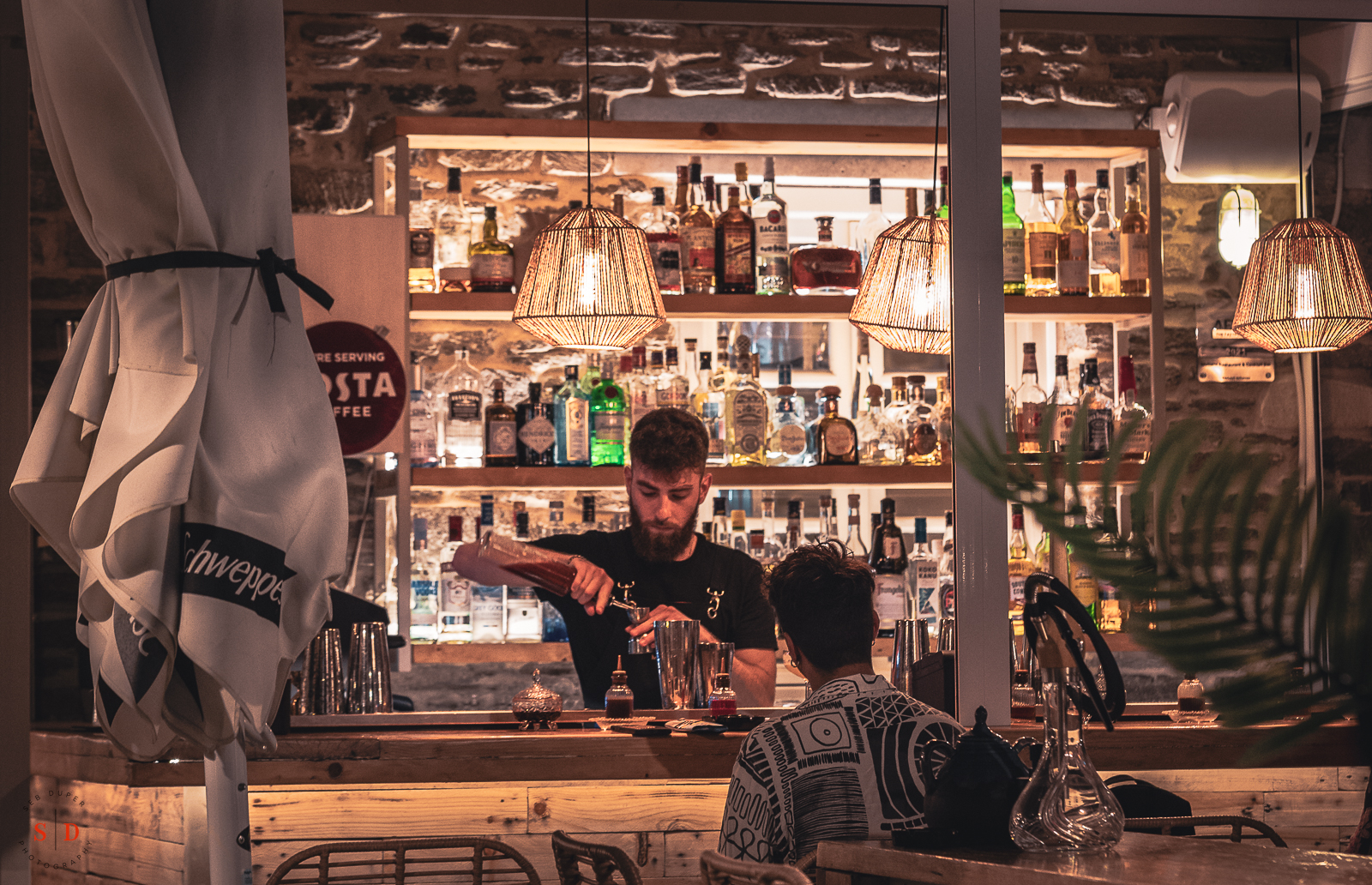
Cafés and restaurants are more than places to eat; they are spaces of community, culture, creativity, and atmosphere. For local businesses in Vaudreuil, Hudson, and Ottawa, the environment they create is just as important as the food they serve. Customers choose dining spaces not only for taste but for experience—which is why photography plays such an essential role in shaping how these establishments connect with their audiences.
In today’s visually driven world, the first impression of a café or restaurant often happens online. Whether through a website, Google listing, social media, or digital ads, photography determines how customers interpret the brand’s personality, quality, and ambiance. This detailed guide explores how to capture the true essence of local cafés and restaurants across these regions, highlighting the details, moods, and storytelling elements that transform images into powerful marketing tools.
1. Understanding the Heart of the Business
Before photographing any café or restaurant, it’s essential to understand what makes it unique. Every establishment has its own story—its origins, its vision, and the atmosphere it aims to create.
Key questions include:
- What emotions should customers feel when entering the space?
- Is the brand warm, rustic, modern, minimal, artistic, or cozy?
- Who is the target audience?
- What experience does the space want to communicate?
- What colors, materials, and elements define the interior?
Vaudreuil:
Growing and diverse, Vaudreuil’s cafés and restaurants often focus on family-friendly spaces and contemporary comfort.
Hudson:
Known for artistic charm and community warmth, Hudson’s dining spots emphasize character, uniqueness, and local culture.
Ottawa:
A blend of modern urban restaurants, neighborhood cafés, and professional dining, Ottawa’s food scene benefits from polished, inviting, and atmospheric imagery.
Understanding the emotional goal of the space guides the visual approach.
2. Capturing the Atmosphere Through Lighting
Lighting is one of the most defining elements of restaurant and café photography. It influences mood, warmth, and realism.
Natural Light:
Soft daylight brings out authenticity and comfort. Large windows, morning sun, and diffused light help showcase textures and interior elements.
Ambient Light:
Warm interior lights—pendants, lamps, hanging bulbs—highlight the cozy or intimate feel of a space.
Contrast and Shadows:
Shadows add depth and shape, helping communicate atmosphere. In rustic or artistic cafés, shadows can enhance drama and character.
Nighttime Lighting:
Some restaurants shine most in evening hours. Capturing this ambiance requires careful control, allowing the warmth of interior lighting to define mood.
Each city offers different natural light characteristics. Ottawa’s bright seasonal cycles, Hudson’s softer rural atmosphere, and Vaudreuil’s modern suburban designs each impact the result.
3. Showcasing Interior Design and Layout
Interior design plays a huge role in how customers choose a café or restaurant. Photography should highlight:
- Seating arrangements
- Décor elements
- Color palette
- Textures (wood, stone, plants, fabrics)
- Lighting fixtures
- Wall art and signage
- Ambiance (cozy, lively, minimal, rustic)
Capturing wide shots provides context, while close-ups bring attention to the details that define the space.
Vaudreuil Cafés:
Often modern and open, with clean lines and bright colors.
Hudson Restaurants:
Typically rich in charm, vintage elements, and personality.
Ottawa Dining Spaces:
A mixture of modern, sophisticated, and trendy interiors, depending on the neighborhood.
Interior photography helps customers visualize themselves inside the space.
4. Documenting Food With Precision and Storytelling
Food photography must do more than show what a dish looks like—it should evoke the flavor, aroma, and experience.
Key techniques include:
- Capturing texture (crisps, glazes, layers, steam)
- Using intentional lighting to highlight ingredients
- Styling the dish with appropriate props
- Adding movement (pouring, sprinkling, slicing)
- Showing the dish in context (table setting, café environment)
Different food styles shine in different cities:
- Vaudreuil: Modern plates, bright compositions
- Hudson: Artisanal presentations, natural textures
- Ottawa: A mix of refined, upscale, and casual styles depending on the restaurant
Food images influence cravings, expectations, and interest, making them essential for menus and marketing.
5. Highlighting the People Behind the Business
The staff—baristas, chefs, servers, owners—are the heart of any café or restaurant. Capturing the human element brings authenticity, warmth, and relatability.
Photography may include:
- A barista preparing espresso
- A chef plating dishes
- Staff interacting with customers
- Laughter, teamwork, and natural expressions
- Owners in their element, working proudly
Hudson’s community-focused businesses especially benefit from these warm, personal images. Ottawa and Vaudreuil audiences also respond well to authenticity.
People-centric photography strengthens emotional connection.
6. Creating Lifestyle and Experience-Based Imagery
Customers choose cafés and restaurants for the experience as much as the food. Lifestyle photography shows how people engage with the space.
Examples include:
- Friends chatting over coffee
- A couple enjoying brunch
- A family gathering in a cozy corner
- Someone working on a laptop with a latte
- Seasonal events or special nights
Images like these help customers imagine themselves there.
Local Context Matters:
- In Vaudreuil, lifestyle images often showcase relaxed comfort.
- In Hudson, they may highlight artistic community and unique charm.
- In Ottawa, imagery often reflects a mix of urban lifestyle and professional clientele.
Lifestyle shots bring the brand story to life.
7. Using Detail Shots to Celebrate Craftsmanship
Detail photography enriches the visual narrative by focusing on small, meaningful elements.
Examples:
- Latte art
- Fresh ingredients
- Handmade pastries
- Table décor
- Fabric textures
- Cutlery, glassware, and plating
- Signature dishes or drinks
These images add personality and highlight the care that goes into the business.
8. Capturing Seasonal Atmosphere
Seasonal changes impact café and restaurant experiences significantly, especially in climate-heavy regions like Ottawa.
Seasonal themes might include:
- Warm lighting and festive décor in winter
- Fresh, bright imagery in spring
- Outdoor patios and iced beverages in summer
- Cozy autumn menus and warm color tones in fall
Vaudreuil and Hudson also celebrate seasonal identity, creating opportunities for dynamic, timely photography.
9. Story-Driven Exterior Photography
The exterior of a café or restaurant introduces customers to the space. A strong exterior photo communicates:
- Style
- Atmosphere
- Welcome
- Brand tone
- Location
Whether capturing a charming Hudson storefront, a modern Ottawa restaurant façade, or a bright Vaudreuil café on a street corner, exterior photography helps customers recognize the business instantly.
10. Enhancing Marketing and Online Presence
Photography has an enormous impact on marketing performance, including:
- Website engagement
- Social media reach
- Menu visibility
- Online ordering conversions
- Google listing credibility
- Event promotion
- Ad performance
For cafés and restaurants in Ottawa, Vaudreuil, and Hudson, strong visuals influence customer choices long before they walk through the door.
11. Showcasing Signature Items and Specials
Restaurants often attract customers through unique offerings. Highlighting:
- Signature dishes
- Seasonal specials
- Best-selling beverages
- Unique pastries
- Chef’s creations
Helps drive interest and customer curiosity. Visual emphasis on these items draws attention to what the business is most proud of.
12. Balancing Clean, Bright Images With Warm Atmosphere
Some cafés and restaurants thrive on bright, airy images. Others shine in warm, moody tones. The key is balance.
Photography should match:
- The brand’s identity
- The interior design
- The dining experience
- Customer expectations
Matching the style ensures authenticity and visual consistency across all platforms.
13. Creating a Sense of Place
Regional identity plays a powerful role in local business branding.
Vaudreuil:
A growing city with modern family-focused café culture.
Hudson:
Artistic, unique, and full of charm—ideal for storytelling photography.
Ottawa:
A mix of professional dining, vibrant urban cafés, and trendy lifestyle spaces.
Incorporating local cues—architecture, neighborhoods, cultural elements—helps the business feel rooted in its community.
14. Prioritizing Authenticity Over Perfection
Café and restaurant photography thrives when it feels real. Slight imperfections—steam rising, crumbs on a plate, natural expressions—add beauty and believability.
Authenticity builds:
- Trust
- Warmth
- Relatability
- Emotional connection
This is especially effective in Hudson’s artistic food scene, Vaudreuil’s community spaces, and Ottawa’s approachable urban eateries.
15. Building a Long-Term Visual Identity
Photography should not be a one-time task. Long-term visual identity comes from building a library of consistent, brand-aligned imagery.
This library supports:
- Social media schedules
- Seasonal promotions
- Updated menus
- Website refreshes
- Special events
- New product launches
Cafés and restaurants in these regions benefit from ongoing visual evolution to match trends and seasons.
Conclusion
Capturing the essence of local cafés and restaurants in Vaudreuil, Hudson, and Ottawa requires attention to atmosphere, food, people, and story. By focusing on authenticity, lighting, details, environment, and experience, photography becomes more than documentation—it becomes a powerful tool for expressing the heart of the business.
Whether highlighting the charm of a Hudson café, the modern warmth of a Vaudreuil restaurant, or the sophisticated vibrancy of an Ottawa dining space, photography gives customers a window into what makes each establishment unique. When done with intention and storytelling, these images help cafés and restaurants connect deeply with their communities and attract customers who resonate with their style, flavor, and ambiance.

